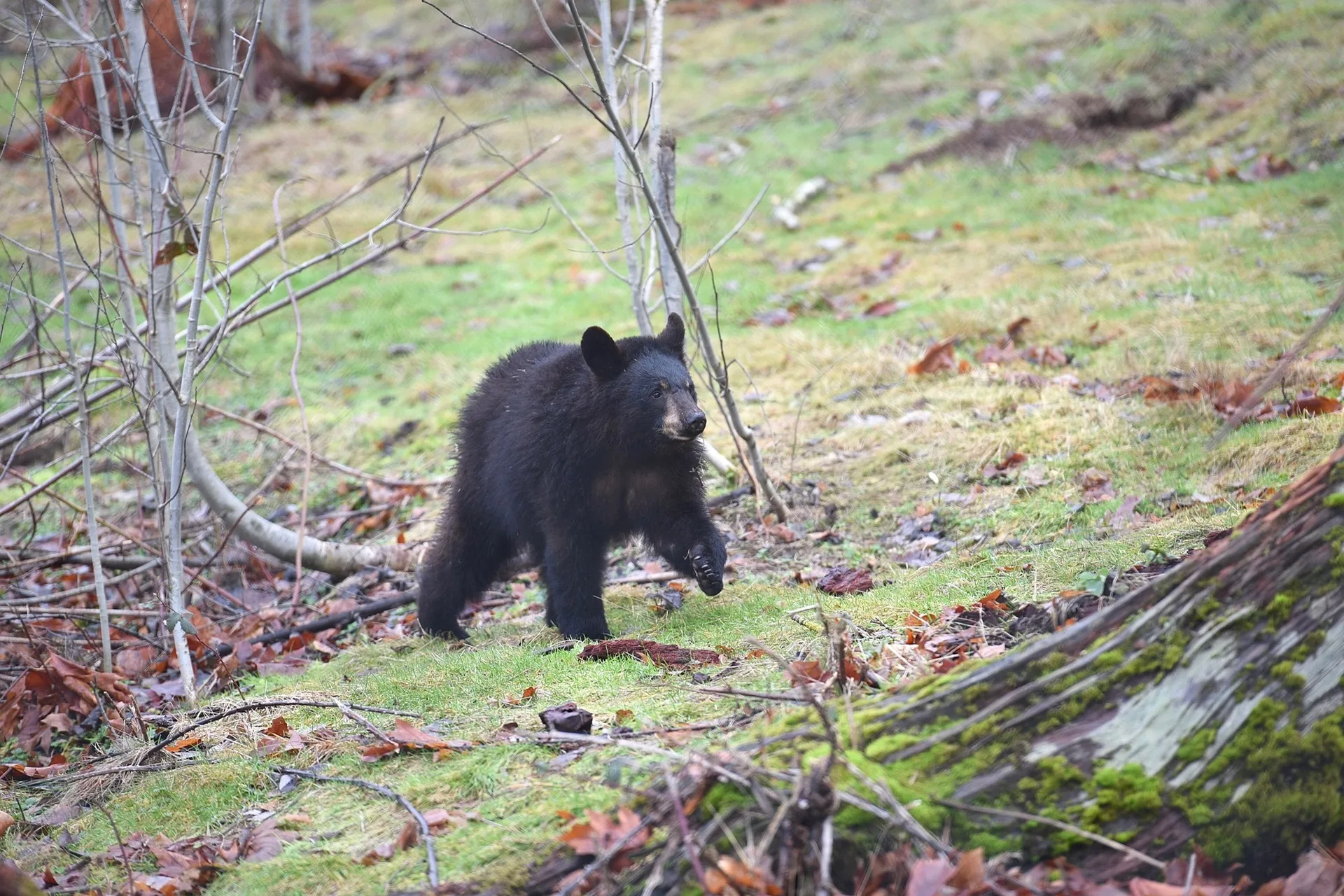
Most out-of-state hunters have seen the YouTube version of Montana spring bear country — dramatic ridgelines, bears working green-up slopes, the kind of footage that makes it look manageable. Then they step off the trail at 7,000 feet and their lungs immediately disagree. Deadhaul Outdoors is documenting exactly that collision in their Bear Hunt Project series, and Episode 2 asks the question straight: can a group of Arkansas hunters actually prepare their bodies and gear for Montana’s mountains?
For Montana hunters, this video is worth your time — and not just for the entertainment of watching flatlanders reckon with vertical terrain. It highlights something locals stop noticing after a few seasons. Spring bear hunting here is physically demanding in a way that’s hard to replicate anywhere else in the West. Montana Fish, Wildlife & Parks typically opens spring bear season in April, which means hunters are punching through late snowpack, glassing sun-baked south-facing slopes while the north-facing drainages are still locked up solid. The bears are there. Getting to them is the whole job. Whether you’re hunting the Bitterroot, deep in the Bob Marshall, or the breaks above the Blackfoot River, the terrain doesn’t negotiate. Elevation gain is real. Boot-testing miles are real. And the pack-out — if you connect — is where dreams go to die unless you spent the months before doing something about it.
What makes the Deadhaul crew’s approach worth watching is that they’re not pretending it’s easy. Honestly, too much hunting content skips the preparation grind entirely and jumps straight to the kill shot. This series seems committed to showing the full picture — the months of unglamorous work before boots ever hit Montana dirt. That resonates. Montana’s public land bear hunting is genuinely accessible to out-of-state hunters who do their homework. No outfitter required, no private land permission slips. Just a valid Montana nonresident bear license, a black bear harvest report, and the fitness to go find one yourself across several million acres of open country. The barrier isn’t bureaucratic. It’s physical, and it’s unforgiving about that.
In my experience, hunters who underestimate that physical piece don’t get a second chance to course-correct — not when you’re three miles into a drainage with a bear down and no cell service. Whether the Deadhaul crew pulls it off is exactly the kind of question that keeps a series moving. But even if you’ve got zero interest in chasing spring bears yourself, there’s something worth respecting about hunters willing to be straight about the gap between where they are and where Montana will demand they be. Watch the episode. Maybe hit the stair machine before you start judging them too hard.