A guy gets home from a spring hike on Pine Creek Trail outside Livingston, runs his hands through his dog’s fur, and finds a tick that hitched a ride out of the timber. Easy thing to laugh off — until you know what that tick might be carrying. Early May in Montana is prime time for tick activity, and right now, with turkey season winding through its final days, fishing pressure building on the Yellowstone, the Bitterroot, and the Missouri, and hikers flooding trails from the Beartooths to Glacier, the odds of a close encounter with a tick are about as high as they get all year.
This isn’t a reason to stay inside. It’s a reason to know what you’re dealing with.

The Ticks You’ll Find in Montana
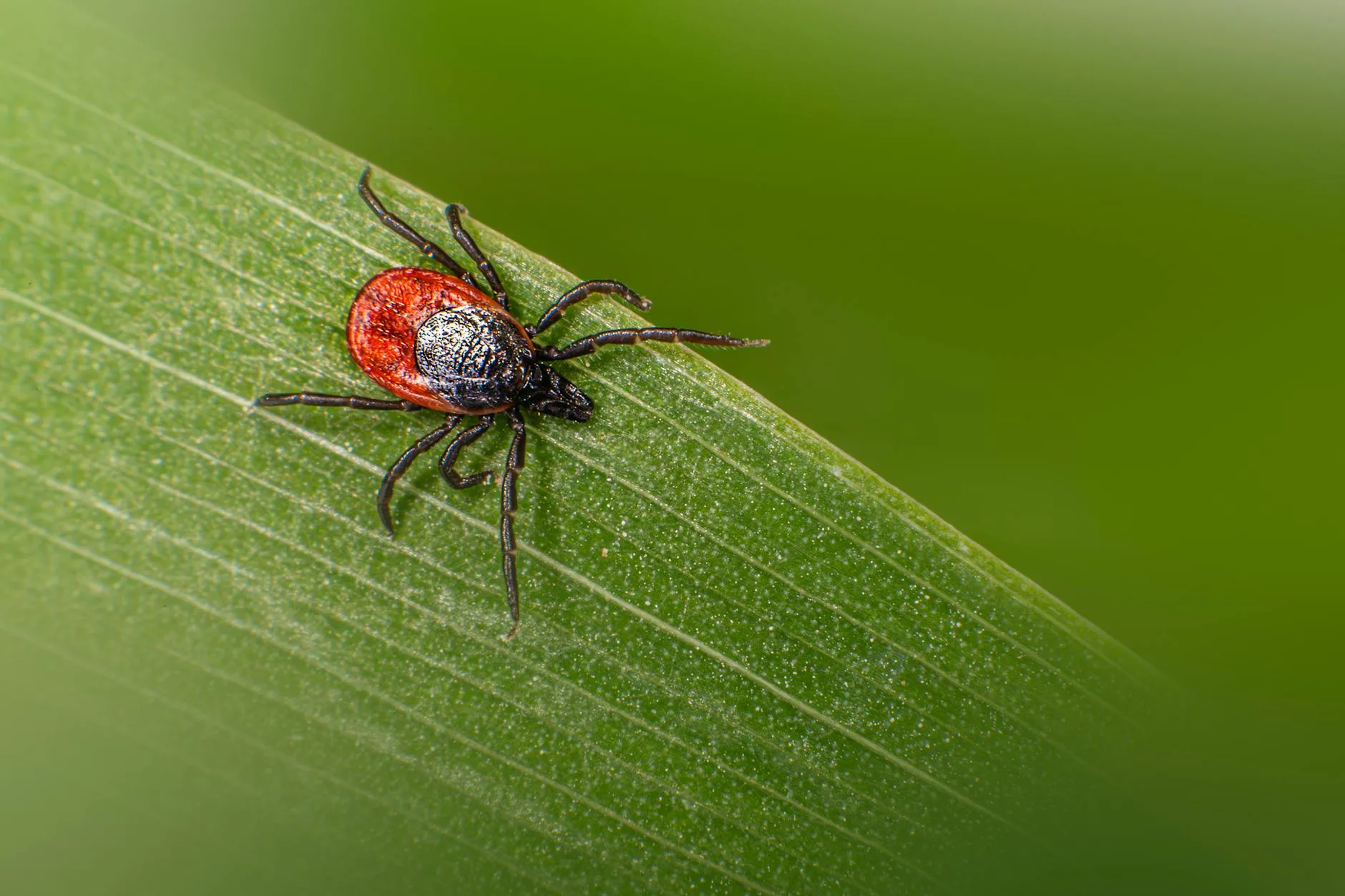
Montana has several tick species, but two demand the most attention from anyone spending time in the field this spring. The Rocky Mountain wood tick (Dermacentor andersoni) is the most common one you’ll run across statewide — it thrives in the brushy grasslands, river bottoms, and lower-elevation timber zones that overlap almost perfectly with turkey habitat and early-season hiking country. The American dog tick (Dermacentor variabilis) is less widespread but still present, particularly out in eastern Montana’s prairie country.
Both species peak from March through June, which puts us square in the thick of it right now. Elevation matters: climb above 7,000 feet and tick numbers drop off significantly. But in the foothills, creek bottoms, and mixed grass-and-timber terrain where most Montana turkey hunters spend their mornings, ticks are fully active and hunting for a host just like you’re hunting for a gobbler.
The Disease Risks Are Real — Know Them
Most tick bites amount to nothing more than an irritating souvenir from a good day outside. But Montana’s ticks carry diseases serious enough that you need to recognize the warning signs.
Rocky Mountain Spotted Fever (RMSF) is the one that keeps doctors up at night. Caused by the bacterium Rickettsia rickettsii and transmitted by the Rocky Mountain wood tick, RMSF can turn life-threatening within days if it goes untreated. Early symptoms — fever, headache, muscle aches — mimic the flu, which is exactly why it gets missed. The telltale spotted rash often doesn’t show up until several days in. If you’ve been in tick country and you feel like you’re coming down with something, tell your doctor. Don’t wait on it.
Tularemia — rabbit fever — is present in Montana too, and it comes at you from two directions: tick bites and direct contact with infected animals. That second route makes it especially relevant for rabbit and squirrel hunters, or anyone who handles wild game without gloves. Watch for fever, skin ulcers, and swollen lymph nodes.
Colorado Tick Fever is a viral illness also transmitted by the Rocky Mountain wood tick. It causes cyclical fever, fatigue, and body aches. Less severe than RMSF, but if you’re symptomatic after a week in the Gravellys or the Pioneers, it’s worth mentioning to your doctor along with where you’ve been.
The detail that ties all of this together: disease transmission risk climbs sharply the longer a tick stays attached. Most pathogens need hours of attachment — often 24 or more — to transmit effectively. That window is exactly why doing a thorough tick check after every single outing is your most effective line of defense. Not permethrin, not DEET — though those help too. The check.
How to Do a Proper Tick Check
A quick glance in the mirror doesn’t cut it. Ticks are deliberate about where they land — warm, moist, hard-to-see spots. After every day afield, run a systematic check: scalp and hairline, behind the ears, neck, armpits, around the waistband, behind the knees, groin. Be thorough. A nymph-stage tick is about the size of a poppy seed and it’s not going to announce itself.
For your hunting dog — and if you’re running a bird dog through turkey country, this is non-negotiable — check between the toes, around the ears, under the collar, and along the belly and groin. Dogs are tick magnets and they sleep in your truck, your tent, and probably your sleeping bag.
If you find an attached tick, remove it right. Use fine-tipped tweezers, grasp the tick as close to the skin as possible, and pull upward with steady, even pressure. Don’t twist it, don’t crush it, and ignore anything you’ve heard about petroleum jelly or a lit match — those are old wives’ tales that make things worse. Clean the bite site with rubbing alcohol or soap and water, note the date, and watch for symptoms over the next two to three weeks.
Prevention Gear That Actually Works in the Field
Honestly, the prevention side of this isn’t complicated. A few straightforward measures cut your tick exposure dramatically without slowing you down one bit.
Permethrin-treated clothing is the gold standard — full stop. Treat your hunting pants, boots, and base layers with permethrin spray and it’ll kill ticks on contact, holding up through multiple wash cycles. Sawyer Permethrin is on the shelf at most sporting goods stores in Bozeman, Missoula, and Billings. Apply it to your gear the day before you head out so it has time to dry and bond to the fabric properly.
Pair that with a 20–30% DEET repellent on your hands, neck, and any exposed skin. Not glamorous. Works anyway. And tuck your pants into your boots or socks — it feels old-fashioned, but ticks crawl upward from ground level, and a simple tuck gives them a barrier they struggle to cross. Light-colored clothing helps too, making it far easier to spot a tick before it reaches skin.
For your dog, have a conversation with your vet before turkey season opens about tick prevention. Oral preventatives like NexGard and Bravecto are highly effective. In my experience, a tick crawling on a treated dog is a dead tick — and that matters not just for your dog’s health, but because it cuts down on the number of live ticks riding home in your truck cab at the end of the day.
Get Out There — Just Check When You Get Back
May in Montana is too good to waste. The gobblers are fired up, the Clark Fork is coming into shape, the trails above Pray and Cooke City are finally clearing. Ticks are part of the deal this time of year — they always have been. But they’re a manageable part of the deal if you treat your gear, check yourself and your dog every evening, and know what symptoms to watch for in the days after a bite. That’s really the whole game. Don’t let a little paranoia keep you off the mountain — just don’t blow off the tick check when you get home either.