Spring bear season opens in a few weeks, and if you’re planning to hunt the Cabinet Mountains, the Bitterroot drainage, or the timber country around Libby and Troy, there’s one skill that separates a clean, confident decision from a long, uncomfortable moment of second-guessing: knowing how old the bear in front of you actually is. Tooth extraction and lab aging are great — after the fact. The shot decision happens in real time. Here’s what you need to look at before you squeeze the trigger.
Why Field Aging Matters More Right Now
Grizzly populations have pushed well east of the Rocky Mountain Front and deep into traditional black bear country — the Blackfoot Valley, the Swan Range, portions of hunting districts along the Hi-Line that haven’t seen serious grizzly presence in generations. That pressure has sharpened everyone’s species ID instincts. But it’s also created a blind spot. Hunters so focused on what species they’re looking at sometimes forget to ask how old that black bear is once the species question is settled.

Harvesting a two- or three-year-old bear that’s barely pushed out from its mother isn’t illegal. But it’s not a great outcome either. A mature boar in the 300- to 400-pound class is a different animal entirely — in terms of meat yield, hide quality, and the kind of experience most hunters are actually after when they burn a tag. Aging bears correctly is how you hunt smarter.
Key Visual Indicators to Look For
Body Proportions: The Single Biggest Tell
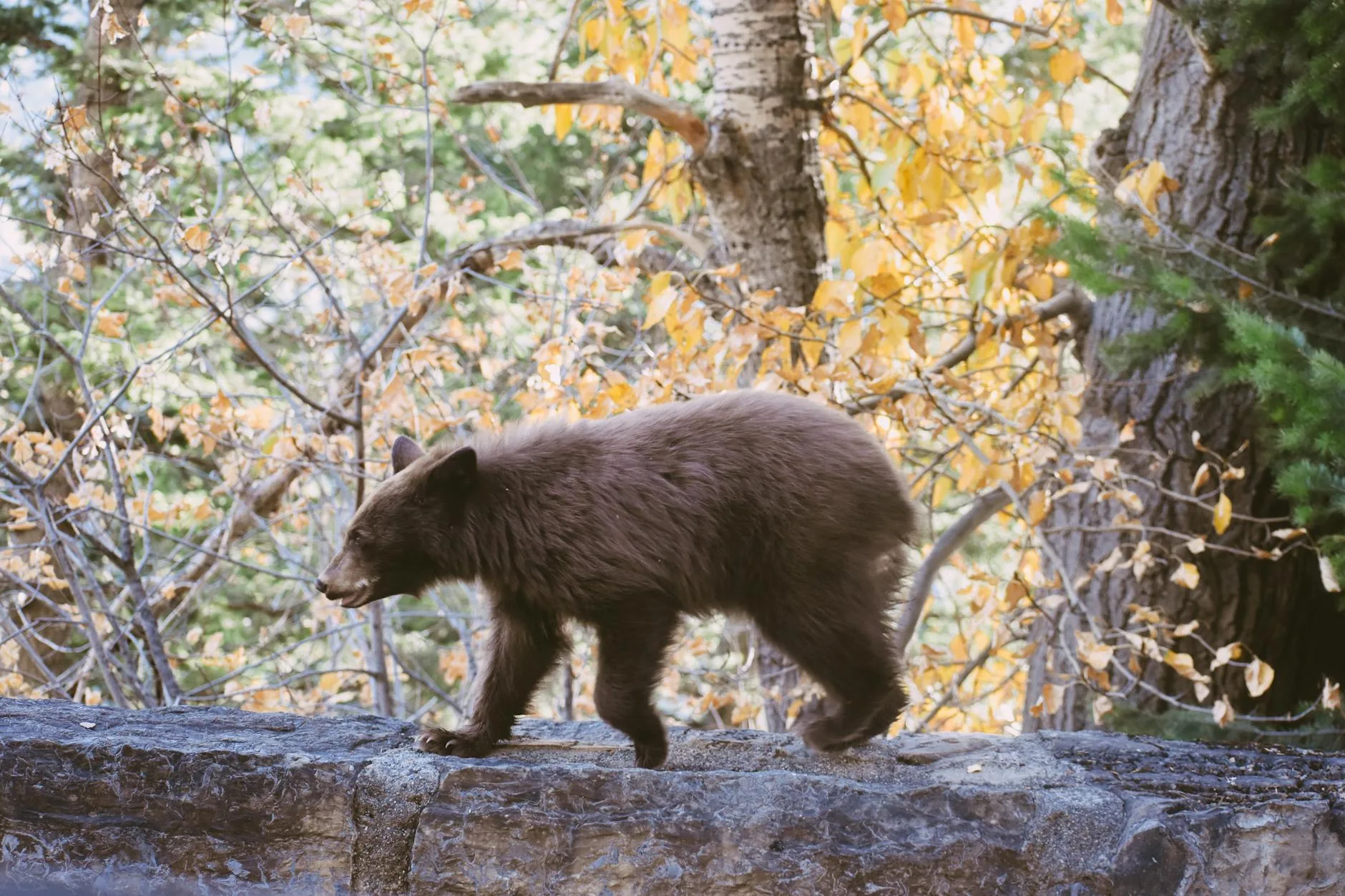
The most reliable aging cue you have in the field is overall body proportion, not size. A mature boar — think seven-plus years old — carries a heavy, blocky head that looks almost too big for his body. The ears appear small and widely spaced because the skull has grown so large around them. A young bear, two to four years old, looks the opposite: big ears, a narrow snout, a lean body that seems leggy and lightly built. If the ears look like satellite dishes relative to the skull, you’re probably looking at a young animal. Walk away.
The Belly Line and Back Profile
Look at the bear’s back when it’s moving broadside. An older animal will often show a slight sway in its back and carry a pendulous belly hanging low — the result of years of weight gain and muscle development. A young bear runs flat-backed and tight-bellied. It moves quickly, almost nervously. Mature boars tend to lumber. They’ve earned a certain unhurried confidence, and you can see it in every step.
Head Shape at Close Range
If you have time to glass carefully — and in Montana’s open burn areas above the Blackfoot or on south-facing avalanche chutes above the Bitterroot River, you often do — pay attention to the forehead. A mature boar’s will appear rounded and domed. The face carries visible muscle mass along the jaw. A young bear has a flatter, more pointed profile, almost fox-like in comparison, with a nose that looks long and thin relative to the skull. Honestly, once you’ve seen a few mature boars up close, that difference becomes hard to unsee.
Scarring and Coat Condition
Old boars fight. Repeatedly. Look for scarring around the face, neck, and shoulders — patchy fur, old bite wounds, a roughed-up hide. Those are signs of an animal that has spent years competing. Fresh out of the den in April and early May, mature boars will also tend to show more rubbing damage and coat wear than younger animals. A young bear in spring often looks almost sleek by comparison, which sounds counterintuitive but holds up in the field.
Using Comparison Animals and Terrain Scale
One of the trickiest situations you’ll face is judging a bear solo with no reference points. A two-year-old standing in a clear-cut above Seeley Lake can look enormous at 200 yards without context. Use terrain features — trees, stumps, downed logs — as scale references whenever you can. If you have time and a good optic, watch the animal move through known terrain before making a decision. Mature bears don’t just look different. They act different. That unhurried, rolling, ground-eating walk is something you start to recognize after enough hours behind glass.
What to Do Before the Season Opener
If you’ve been running trail cameras in the Garnet Range, the Swan Valley, or the Whitefish Range over winter, pull that footage now and review it with aging in mind. Practice reading body proportions on video before you’re doing it live with a bear at 150 yards and a decision to make. Pair that with a review of Montana Fish, Wildlife & Parks’ updated 2026 bear identification materials — go through the grizzly ID resources at the same time so you’re sharpening both skills together, not treating them as separate exercises.
- Glass before you move. Spring bear hunting rewards patience above almost everything else. Find a high glassing point on a south-facing ridge where snowmelt is pushing out new green grass, bear activity concentrates, and spend real time watching before you ever think about closing the distance.
- Submit a premolar after your harvest. Montana FWP’s tooth aging program is one of the best tools available for building a personal library of what different age classes actually look like. Use that data to sharpen your in-field eye for future seasons. In my experience, hunters who run that program for a few years start making field age calls with a confidence that’s hard to get any other way.
Spring bear is one of Montana’s most underutilized seasons. Huntable populations stretch from the Idaho border east through the Missoula and Bitterroot drainages, the country is gorgeous in May, and the hunting rewards exactly the kind of deliberate, patient fieldcraft that makes this whole pursuit worth doing. Take the time to age your animal. Know your species. The tag is too hard to draw — and the animal too good — to rush it.