March 2026 is running about three weeks ahead of itself, and if you’ve been paying attention to the snowline this past week, you already know what that means for shed hunters. Temperatures across Montana’s foothills and lower river drainages have been well above average, snowpack is bailing out fast, and elk and mule deer are making their moves earlier than most of us have seen in years. That combination creates a narrow, closing window — and right now, this weekend specifically, may be your single best shot before the ground greens up and swallows everything you’re looking for.
Why the Timing Is Unusual — and Why It Matters
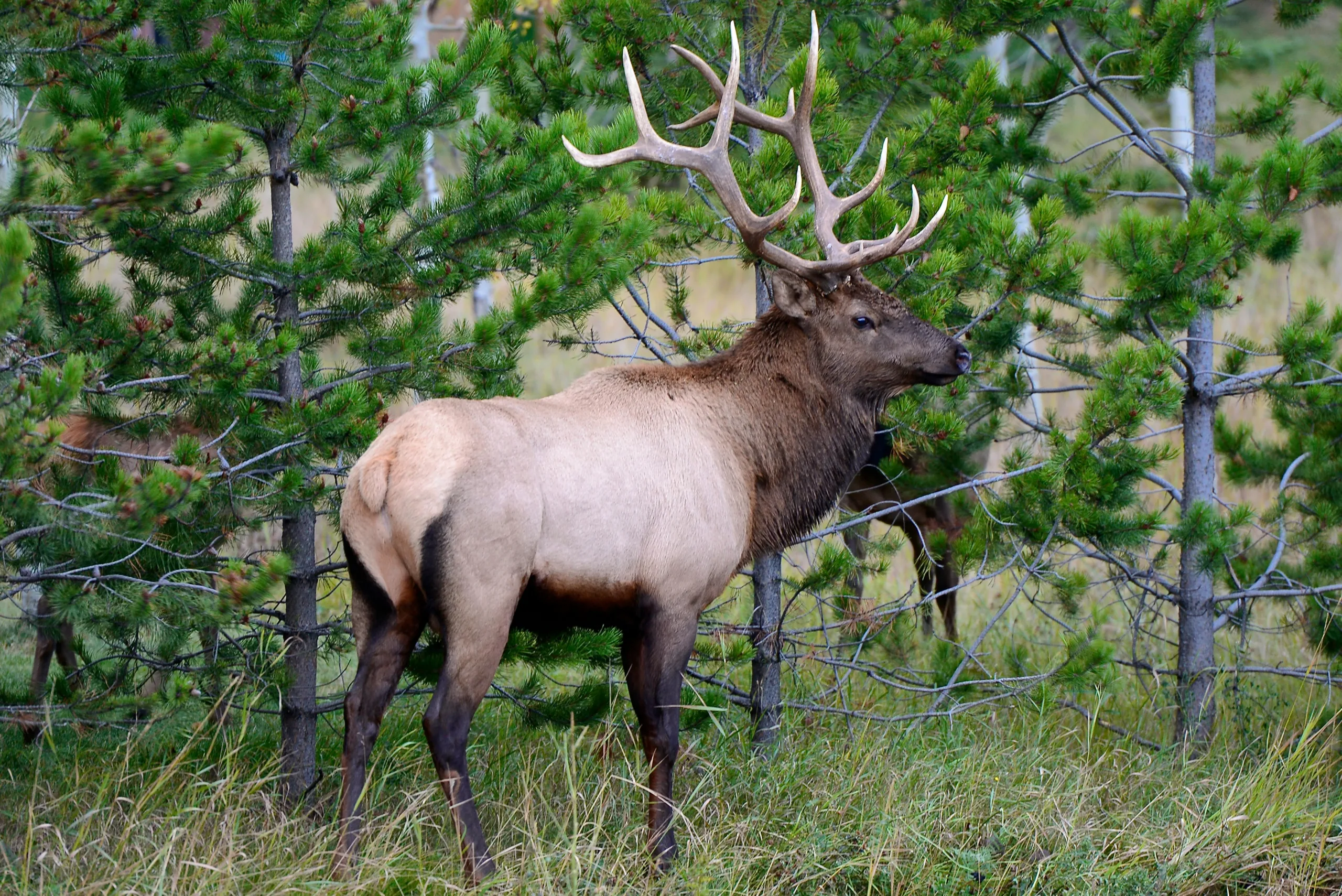
Elk and mule deer in Montana typically start dropping antlers in earnest from late February through mid-April, with the bulk of bulls and bucks losing their headgear in the 3,500- to 5,500-foot elevation band as they work toward spring range. In a normal year, lingering snowpack keeps that lower-elevation winter range accessible but slow to reveal sheds — you’re kicking through six inches of wet snow hoping to catch a flash of bone.

This year’s different. The warm snap has burned off that low-elevation snow surprisingly fast across south-facing slopes and river-bottom benches, exposing bare ground weeks ahead of schedule. Sheds that dropped in late February are now uncovered and visible — but not yet buried under grass or cheatgrass. That’s a once-in-a-while window that every serious shed hunter knows to exploit the moment it cracks open.
Where to Focus: Specific Units and Terrain
You don’t need to drive to the back of beyond this weekend. The action right now is at lower elevations — think 3,200 to 4,800 feet — on south and southwest-facing slopes where snow clears first and elk and deer have been loafing all winter. Here’s where I’d put boots on the ground:
Missouri River Breaks — Hunting Districts 410 and 411
The Breaks are almost always the first place to look for mule deer sheds in Montana, and 2026 is no exception. The canyon rims and cedar draws between the Fred Robinson Bridge and the C.M. Russell NWR on the south side of the Missouri hold strong numbers of mule deer bucks that winter here every year. Hit the benches above the river between Winifred and the Fort Peck arm. Look for water sources, exposed clay ridges, and the beaten-down trails connecting bedding and feeding areas. Mule deer bucks tend to drop both sides close together — if you find one antler, slow down and grid the area within 50 yards before you take another step.
Yellowstone River Corridor — HDs 580 and 586
From Billings west toward Columbus and Reed Point, the Yellowstone River bottom and adjacent foothills are seeing early elk movement off the Beartooth Front. Bull elk that wintered in the lower drainages near Pryor Creek, Fly Creek, and the Clarks Fork confluence are shedding now. Focus on south-facing benches 300 to 600 feet above the river. BLM ground is scattered throughout — pull the BLM Billings Field Office maps before you go and watch your private land boundaries carefully out there.
Bitterroot Valley — HDs 260 and 261
The west slopes of the Sapphire Range between Hamilton and Stevensville are loaded with winter-range elk, and the lower benches between 3,800 and 4,500 feet are opening up fast. Honestly, the Skalkaho drainage and lower Bass Creek have been quietly productive for years and don’t get the pressure the Breaks do. Elk are still staging on the lower range before pushing up to summer pasture — you can often glass bulls from the road in the evening, then plan your approach for first light the next morning.
Sun River Game Range — HD 422
The Montana FWP Sun River Wildlife Management Area near Augusta is one of the most elk-dense winter ranges in the state, but check current closure status before you go — portions of the SRWMA are typically closed to human entry until mid-May to protect wintering elk, though the exact date varies by year and zone based on FWP closure orders. Confirm the current schedule at fwp.mt.gov before you load the truck. The areas outside the closure, particularly the open BLM ground east of the WMA boundary, can be exceptional right now. Ear Mountain is a separate State Wildlife Management Area with its own access rules — don’t assume it’s open ground. Verify current restrictions at fwp.mt.gov before visiting.
Gear and Tactics for This Specific Window
Get there early in the week if you can swing it. Word travels fast in shed hunting circles, and a warm weekend will bring out crowds. A Tuesday morning beats a Saturday mob every time. Glass first, walk second — binoculars save legs, and a sun-bleached tine catches light beautifully at low morning angles from a high vantage point before you ever drop in. Scan those south-facing benches thoroughly before committing your boots.
Follow the mud. Bare south slopes with softened ground hold tracks and fresh sign, and fresh elk trails cut through mud tell you exactly where animals are moving daily. Sheds won’t be far. Also check your water sources — in early spring, elk and deer concentrate near reliable springs, stock ponds, and creek confluences, and those spots are worth a careful grid search every time.
- Respect closures. Several Montana FWP Wildlife Management Areas and national forest winter ranges remain closed through spring. The Rocky Mountain Front, portions of the Crazy Mountains, and some Yellowstone River WMAs have restricted access. Check FWP’s closure maps at fwp.mt.gov before leaving the driveway — not after.
The Window Is Closing — Move Now
Within two to three weeks, the grass will be shin-high on those south slopes and mule deer sheds will disappear into the vegetation like they were never there. Rodents will start chewing antlers down fast once the ground dries. The competition from other shed hunters — including those running dogs —