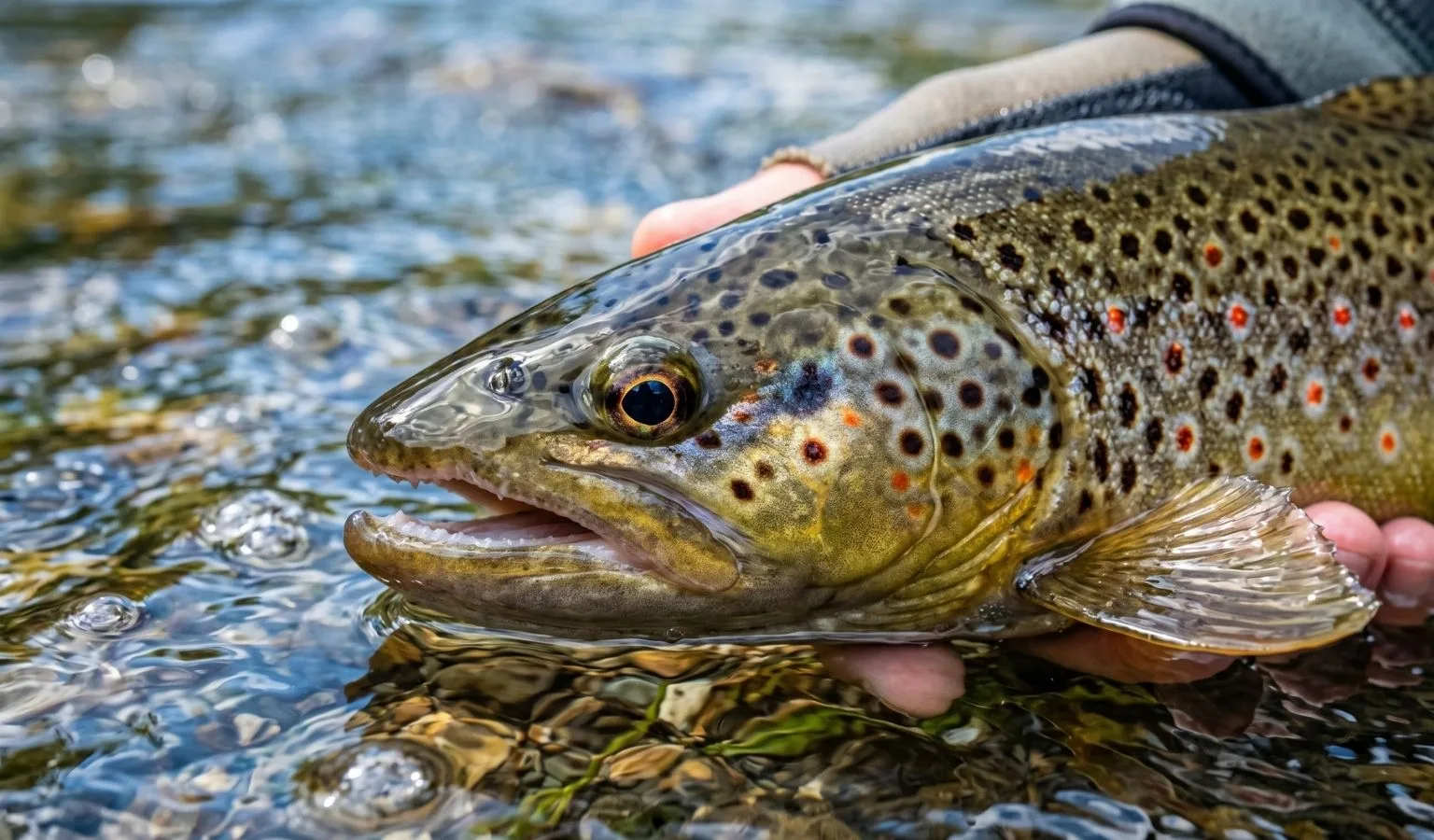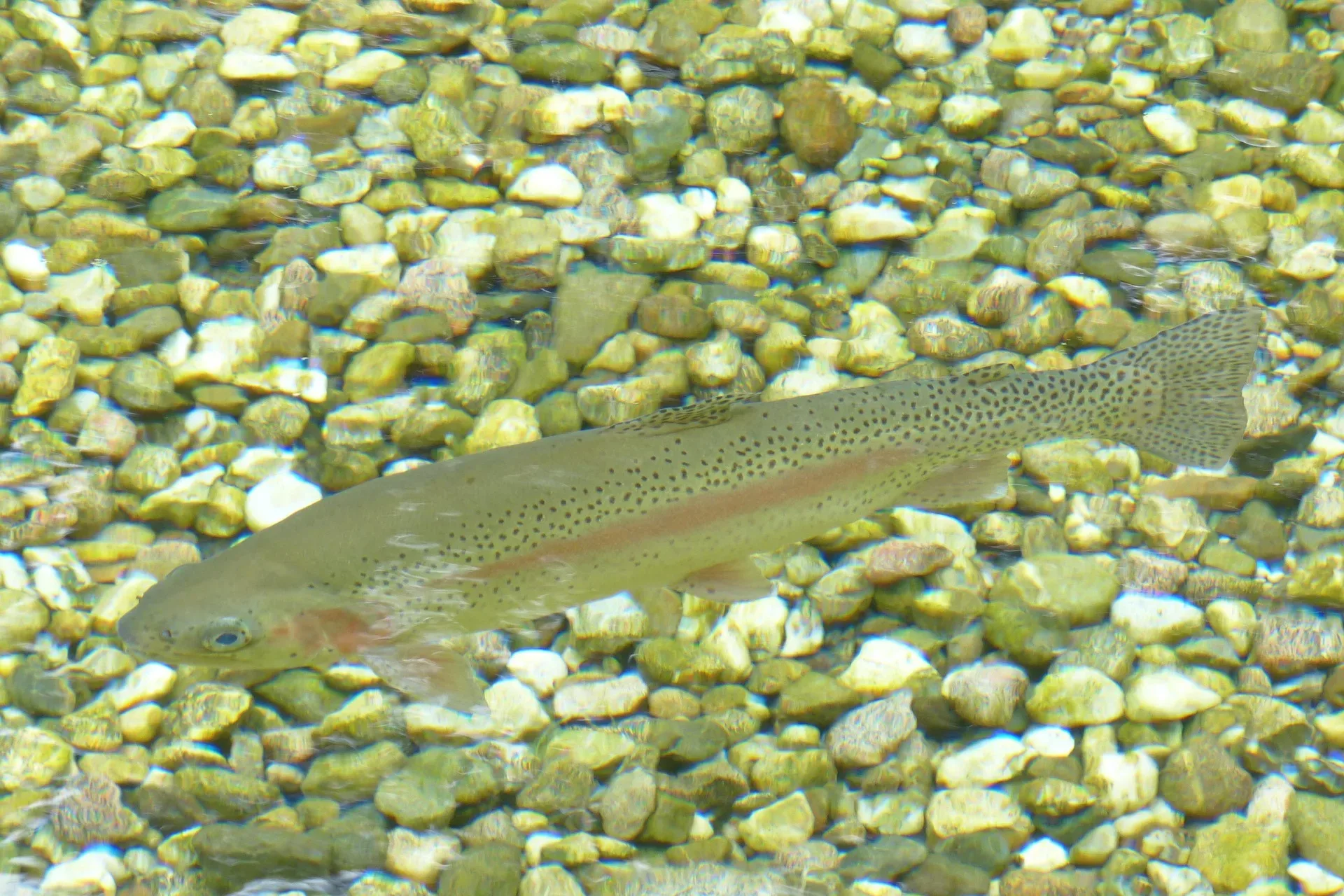
While an adipose fin may seem unnecessary for a fish, FWP biologists can find it helpful in distinguishing a wild trout from a hatchery trout or, in Holter Lake, between two strains of hatchery fish. The adipose fin, which is situated between the dorsal fin and the tail, is unique to fish in the Salmonidae family.
FWP manages rivers to support wild fish populations but stocks many lakes and reservoirs with hatchery-raised fish. Two common strains of rainbow trout – Arlee and Eagle Lake – make up a large portion of the stocked trout in Montana. The strains vary slightly, fulfilling different ecological roles and meeting varying recreational demand. The Arlee strain is a big bodied, fast-growing trout while the Eagle Lake strain is longer-lived and better suited to life, maybe even spawning, in the wild.

On Holter Lake, when collecting eggs to raise in hatcheries, FWP staff can immediately distinguish between the clipped adipose fin of the Arlee and the whole fin of the Eagle Lake strain and other wild, well-adapted fish. They’ll toss back the Arlees, collecting only Eagle Lake eggs for hatchery-raising and eventual reservoir-stocking.
This fish marking strategy is unique to Holter and varies across the state depending on management need. For Holter, fin clipping is a reliable way to ensure that there is a known source of wild eggs to support future stocking and a booming rainbow fishery.
Source: FWP
Photo: Pixabay