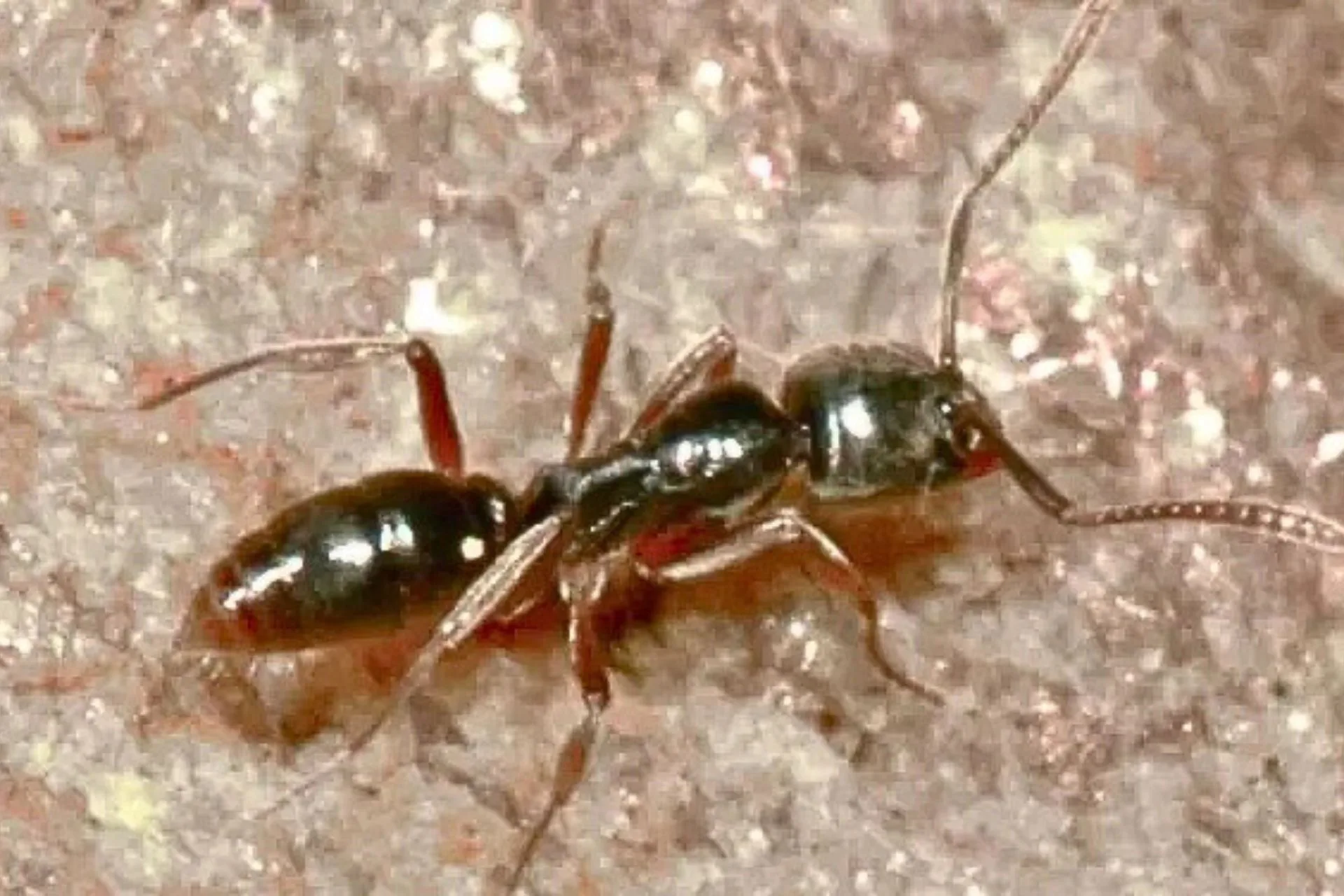
Watch your step this summer if you’re down south—there’s a tiny invader on the move, and it packs a potentially dangerous punch. Meet the Asian needle ant, a stinging insect that’s been quietly lurking in the Southeastern U.S. since 1932, but is now earning a not-so-flattering spotlight. Native to Asia (as the name hints), this ant isn’t your average picnic crasher—it can trigger life-threatening anaphylaxis in some people, according to experts like Dan Suiter, a distinguished entomologist at the University of Georgia. “We are now considering it a medically important pest,” he says, noting an uptick in incidents, including three anaphylaxis cases already reported in 2024.
Though not aggressive, the ant isn’t shy about defending itself if it ends up under your clothes—and it doesn’t help that it looks like it’s always lost, wandering solo across your lawn or woodpile. The pests love hardwood environments and are most active in July and August, hiding out in leaf litter, under stones, or tucked in firewood. At just 3/16 of an inch, they’re easy to miss but hard to ignore once they start displacing native ants and interfering with local ecosystems. If you spot one—or think you have—Suiter recommends snapping a photo and reaching out to a university extension agent to confirm the ID. In a region teeming with ant species, knowing which one you’re dealing with could be more than just a bug trivia moment—it might just save your life.

Let’s just hope these things get under control and that these ants don’t become a thing up here.
Read the full story about these from Fox Weather here.
Feature photo: (Clemson University / FOX Weather)