In 1916, Yellowstone National Park recorded its first officially documented fatal grizzly bear attack. The victim, Frank Welch, a 61-year-old government teamster, was camping near Turbid Lake when he was fatally mauled by an elderly grizzly known as “Old Two Toes.” Prior to this incident, Old Two Toes had reportedly exhibited aggressive behavior towards humans, likely due to his deteriorated condition and worn teeth, which made natural foraging difficult.
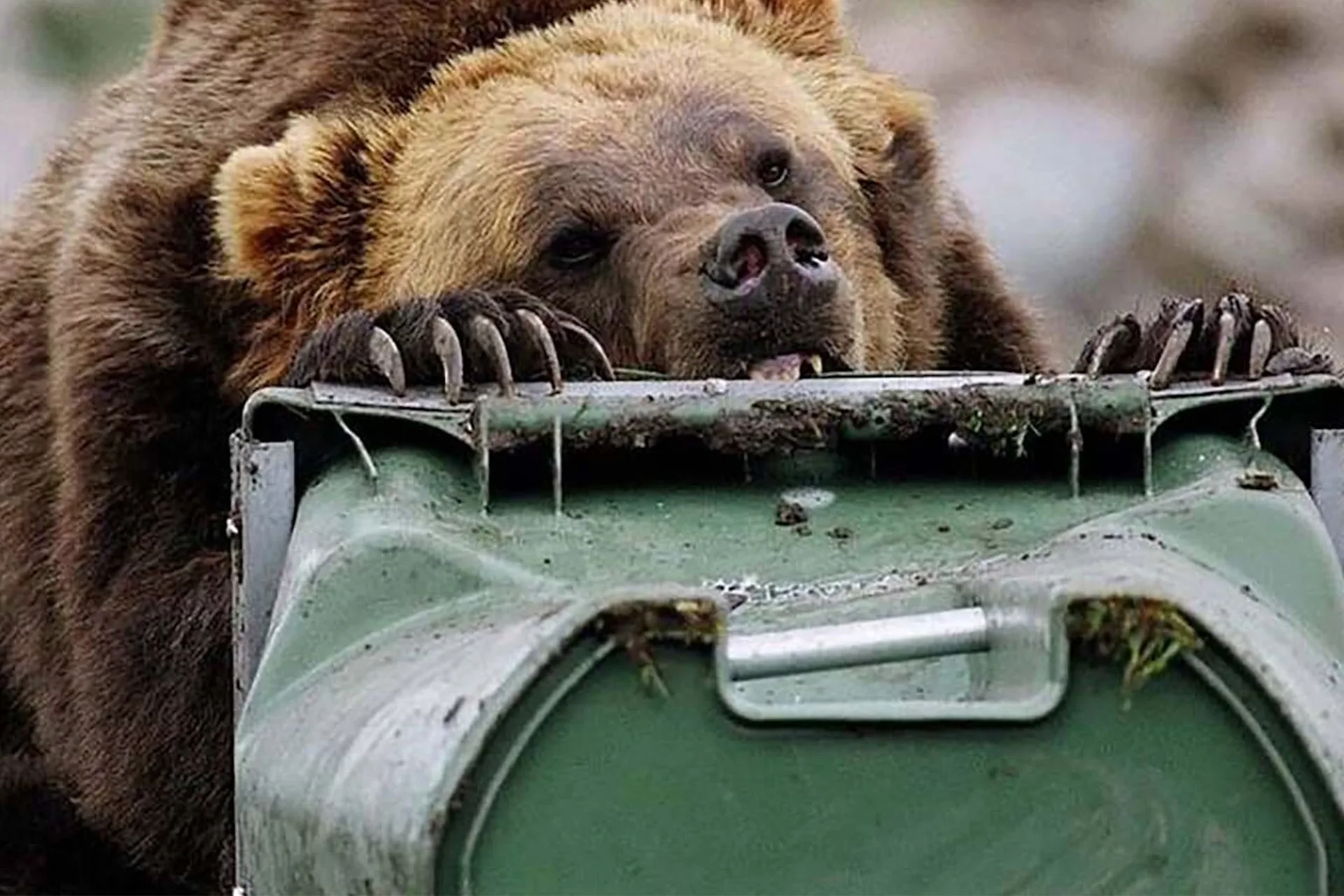
In response to Welch’s death, a government road crew devised a plan to eliminate the bear. They set a trap by spreading garbage to lure Old Two Toes to an overturned barrel containing a dynamite charge equipped with an electric detonator. When the bear began to feed, the crew detonated the charge, resulting in the bear’s death.
This method starkly contrasts with contemporary wildlife management practices. Greg Jackson, a retired law enforcement ranger and former deputy chief of the National Park Service’s division of law enforcement, security, and emergency services, remarked on the drastic nature of past measures, highlighting the evolution in handling wildlife interactions over the past century.
Source: Cowboy State Daily