BRETT FRENCH | french@billingsgazette.com
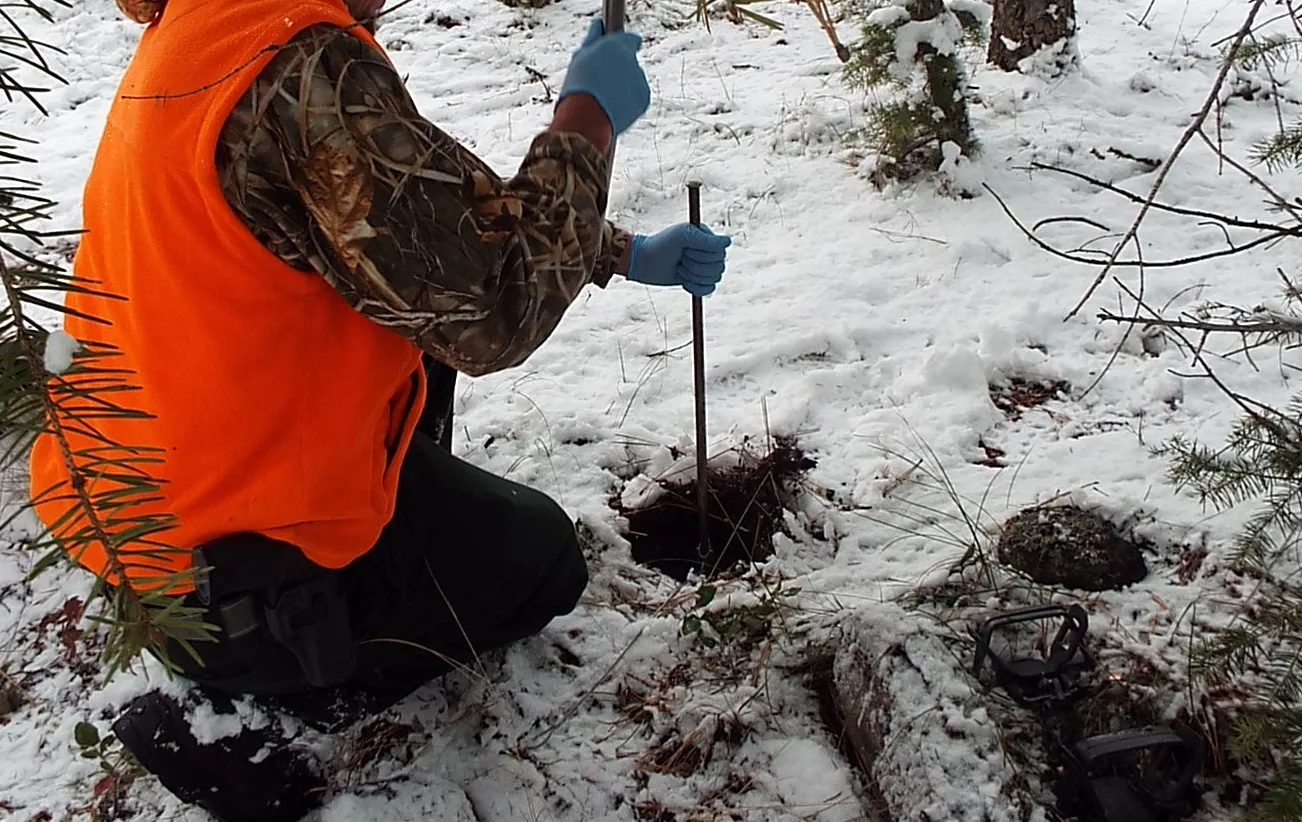
Requiring signs at Fish, Wildlife & Parks access points where trapping is being conducted in order to protect recreationists’ “furry friends” is being proposed under House Bill 436.

The bill would require signs when traps or snares are located within 1,000 feet of the trailhead or within 100 feet of any public point, according to the bill’s sponsor, Rep. Bob Carter, D-Missoula.
The law, if passed, would not apply to federal lands.
FWP administers lands such as state parks, fishing access sites and wildlife management areas where dogs are required to be leashed.
Department of Natural Resources and Conservation lands, managed by the state, already require signage as well as the trapper to purchase a special recreational use license.
“There’s no doubt that’s in the best interest of trappers and hikers to minimize that social conflict, just as it’s been stated in the Montana trapping advisory charter in 1999,” Carter said in introducing the bill to the House Fish, Wildlife and Parks Committee on Feb. 18.
According to information provided by FWP to the Montana Wildlife Federation, between 2018 and 2022 roughly 300 nontarget animals were captured in traps, about 120 of which were household pets. There are roughly 3,200 trappers in Montana, the agency noted.
“You drive up, you see the sign, you can make a decision as to whether or not you want to let your dogs run up that trail, or perhaps make the more responsible decision of moving to another trail,” said Frank Szollosi, of the federation.
Representatives of the Montana Chapter of Backcountry Hunters and Anglers, Montana Audubon and Bold Visions Conservation were among the 14 individuals who testified in support of the measure.
Retired Helena veterinarian Shani Henry said in her 25-year career she treated pets and wildlife injured mostly by leg-hold traps.
She called HB 436 “a very reasonable piece of legislation, and it could decrease injuries.” She noted her own hunting dog had been injured in a trap while walking alongside her then 12-year-old son.