VOL. 14 · NO. 25 June 18, 2026 · Bozeman, MT LIVE · 6 RIVERS TRACKED · TOURNAMENTS THIS WEEK
THE WIRE
FISHINGExperience Montana’s Free Fishing Days This Father’s DayJun 17 FISHINGMastering Fly Selection: The Rock Method for Trout FishingJun 17 HUNTINGCan Arkansas Hunters Really Prepare for a Montana Spring Bear Hunt? Deadhaul…Jun 17 CONSERVATIONBeavers Rewilded 12,000 Montana Wetland Acres Better Than Anyone ExpectedJun 17 HUNTINGWildlife Policy Battle: Sportsmen Defend Hunting TraditionsJun 17
Warrior Boats

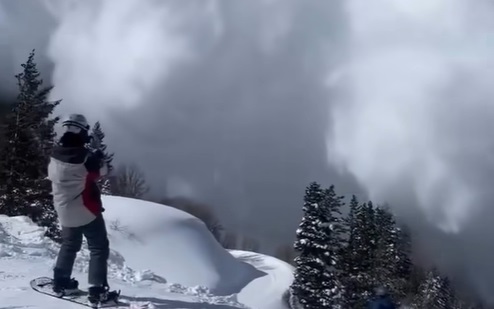
Avalanche covers ski hill

Avalanche paths in Montana can vary in size, from small, localized slides to large, destructive avalanches that impact entire valleys. Understanding avalanche terrain and avoiding high-risk areas is essential for backcountry safety.  Montana’s winter recreation areas, such as ski resorts and backcountry trails, often have avalanche mitigation measures in place, including snowpack stabilization techniques and…

Avalanche paths in Montana can vary in size, from small, localized slides to large, destructive avalanches that impact entire valleys. Understanding avalanche terrain and avoiding high-risk areas is essential for backcountry safety.  Montana’s winter recreation areas, such as ski resorts and backcountry trails, often have avalanche mitigation measures in place, including snowpack stabilization techniques and controlled avalanche releases, to reduce the risk to the public.

Here are a few facts about avalanches:

  • Avalanches can reach speeds of up to 80 miles per hour
  • Avalanches can occur on slopes as shallow as 25 degrees
  • Avalanches are classified based on their characteristics, such as size, type, and trigger mechanism.
  • The majority of avalanche accidents occur during and immediately after storms.

This might have been an intentional avalanche as a safety measure for this ski area, but it still seems a bit terrifying either way!

Bretz RV Below Post