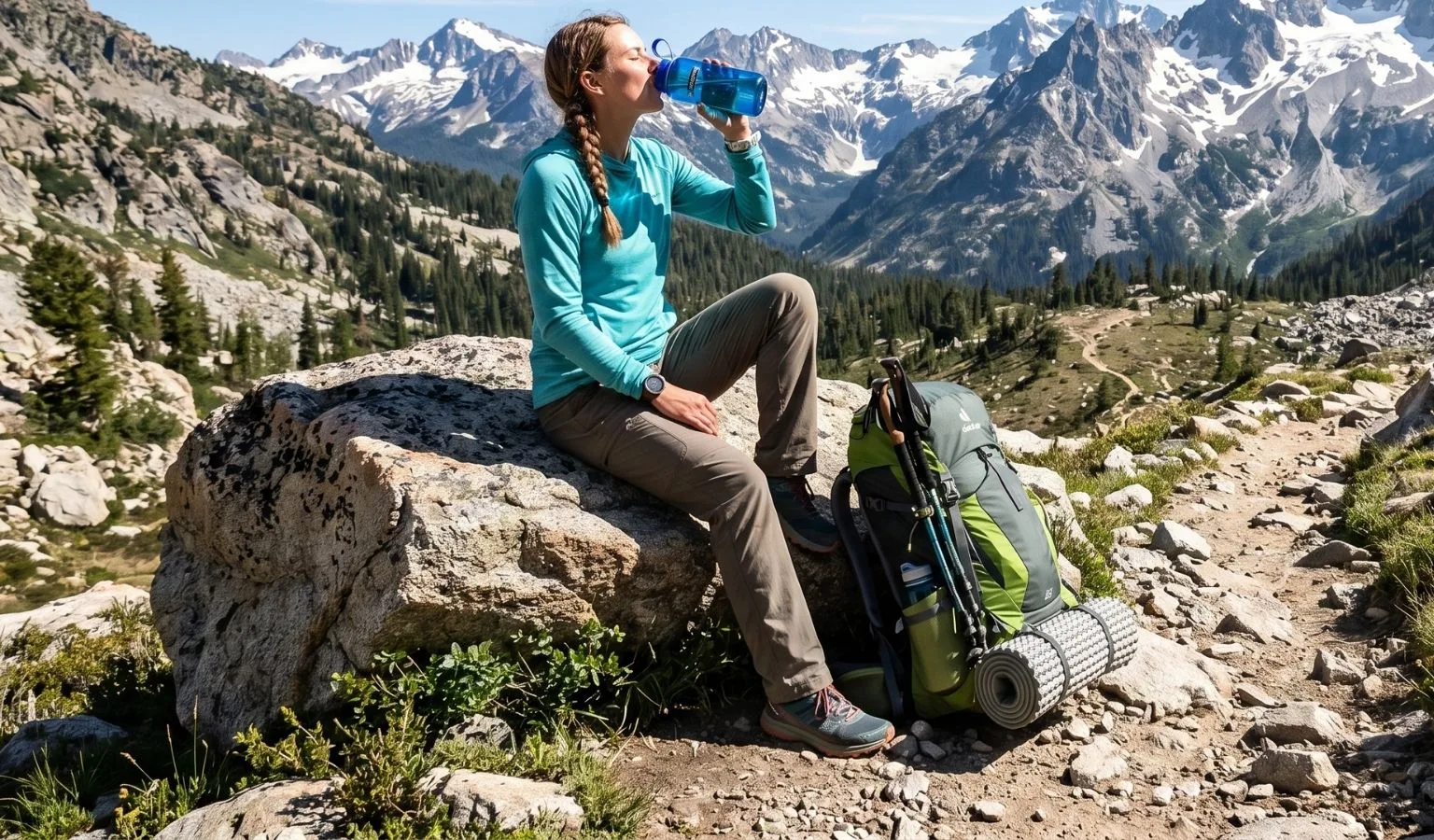
Are you planning on getting after elk or big muleys up high? Maybe you got a mountain goat tag. Either way, altitude sickness is a real thing!
Up on Everest there’s a stretch climbers grimly call the “death zone”—around 26,000 feet where the air is so thin it can barely keep a human conscious, let alone alive. It’s so harsh that roughly 200 frozen bodies are still up there, essentially marking the route like permanent, frozen mileposts nobody can safely retrieve.

The problem isn’t just cold or weather—it’s oxygen. At that altitude, your body starts losing the basic math of survival: you’re burning more oxygen than you can take in. That can spiral into altitude sickness, where people go from “feeling off” to full-on neurological and lung failure if they push too far, too fast.
And you don’t have to be on Everest for this to matter. Anything above roughly 8,000 feet can trigger it, especially if you rush the climb. It shows up in three main stages: a mild version that feels like a brutal hangover, a dangerous brain-swelling confusion state, and a life-threatening condition where the lungs start flooding with fluid.
The main fix is annoyingly simple: don’t rush. Let your body acclimate, climb gradually, and pay attention when your brain starts acting like it’s had too many drinks for no reason. Some meds can help speed things up, but there’s no cheat code for skipping adaptation entirely.
And while people who live high up—like sherpas—often handle altitude better, nobody’s truly immune. The body can adapt, but it also pays a price; extreme high-altitude exposure can leave lasting changes in the brain over time.
In short: mountains don’t care how strong you are. They care how well you’ve adjusted to breathing less air.
Read more at Field and Stream here.