BRETT FRENCH | bfrench@billingsgazette.com
A two-mile channel that allows fish to swim around Intake Diversion Dam has profoundly transformed 235 miles of the Lower Yellowstone River in the past four years.

“I’ve talked to more folks that have caught walleye at Glendive than I have maybe ever in years past,” said Mat Rugg, a 13-year veteran fisheries biologist with Montana Fish, Wildlife & Parks.
Glendive is about 20 river miles above the bypass channel. Miles City, the next large community, is another 90 miles upstream.
“In our backyard, people are really happy about what the passage at Intake has yielded them,” said Caleb Bollman, a FWP fisheries biologist at Miles City. “Right away in the spring of 2022 — in April, May, the first spring that bypass was open — we were hearing of people finding more walleye farther upstream, and that has just continued to be the case.”
Where the walleye roam
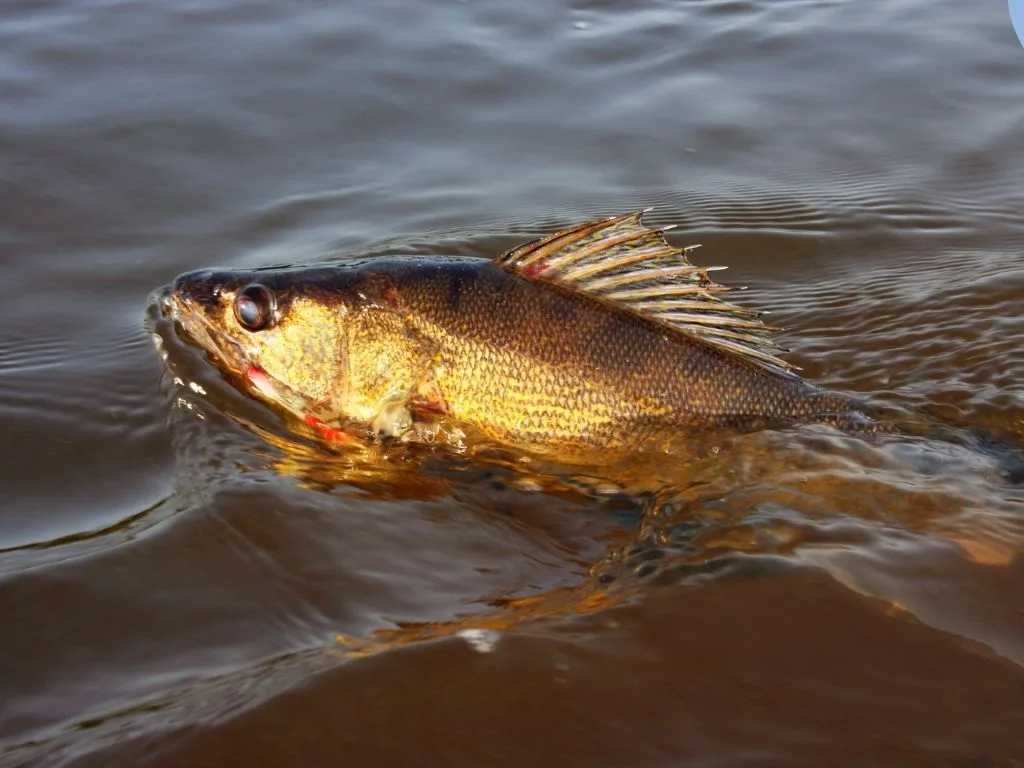
Walleye are a popular species among anglers, known for their flaky, tasty white meat. Many of the fish now moving up and down the Yellowstone River are coming from North Dakota’s Lake Sakakawea in the spring in search of spawning habitat.
Before the bypass was built, FWP conducted studies to estimate the number of walleye below Intake Diversion Dam. Depending on the year, Bollman said as many as 10,000 fish might be captured and marked in April in the 10 miles downstream of the dam.
Now, those thousands of walleye are streaming through the bypass channel in spring, but many don’t stay upriver. About three-quarters of the marked fish were later caught by anglers in Lake Sakakawea, FWP’s analysis has shown.
Walleye were just one of five species FWP has studied to see how the bypass channel would affect their distribution on the big river. The others were sauger, pallid sturgeon, blue suckers and paddlefish.
“Every species that we monitored either had passage increase pretty significantly, or the couple groups that had high passage prior to the bypass channel retained high passage,” Rugg said.
Photo credit: Stammphoto from Getty Images