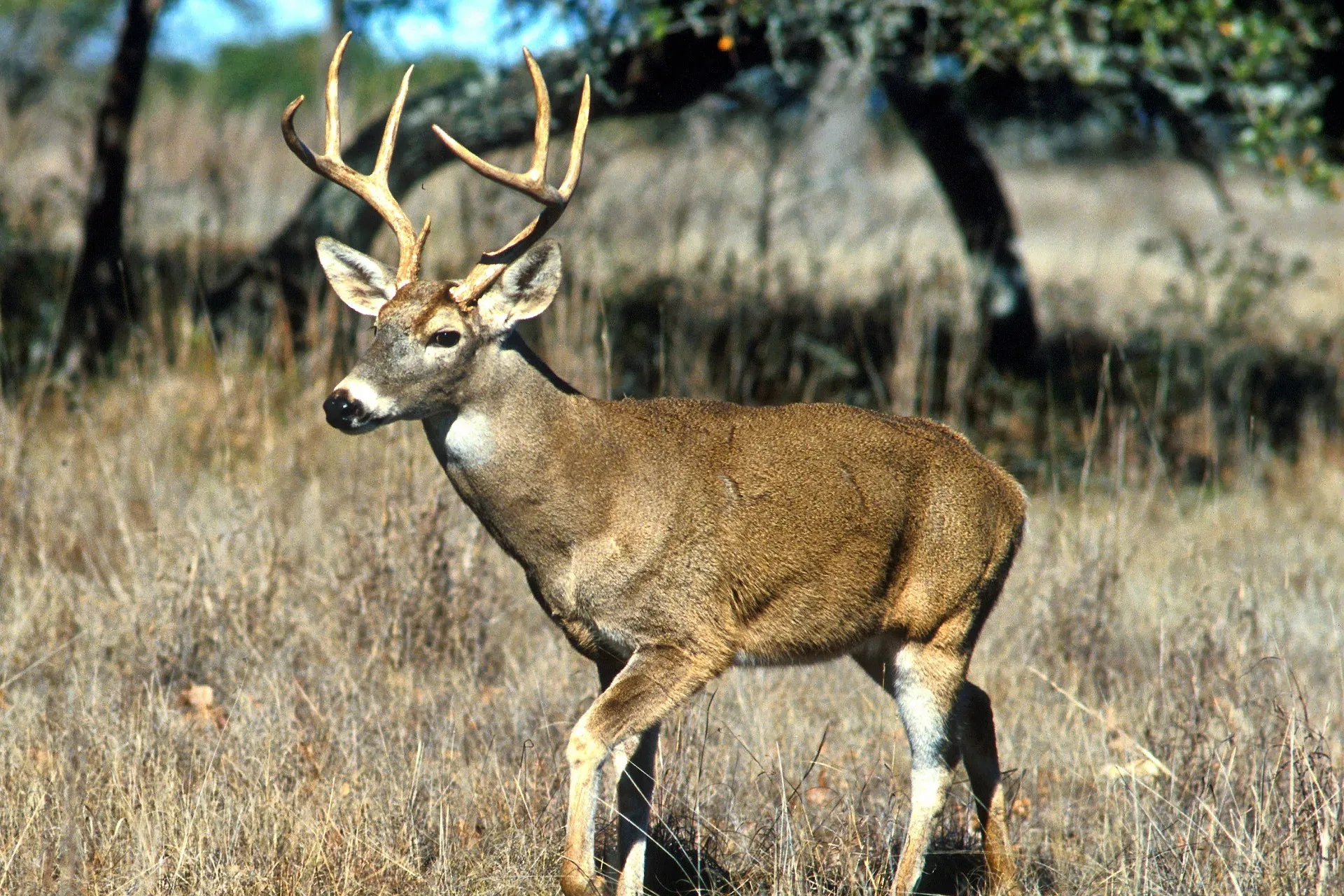
During its meeting Oct. 9, the Montana Fish and Wildlife Commission made a regulation change to limit the number of white-tailed deer licenses in northeast Montana in response to hemorrhagic disease outbreaks in the area.
The commission voted to limit the sale of the region-wide 006-00 deer B licenses to 2,000 total and only allow one 006-00 deer B license per hunter. Hunters that purchased more than one 006-00 license prior to Oct. 10 can still use those licenses. At the time of the meeting Thursday about 1,400 of the licenses had been sold this year.

The action is in response to late summer and early fall outbreaks of epizootic hemorrhagic disease (EHD) and blue tongue (BT) in northeast Montana, primarily along the Milk River from Nashua to Havre. Hunters should be prepared for lower numbers of white-tailed deer along sections of the Milk River and may want to focus efforts elsewhere in the region where populations were not affected.
Both EHD and BT are viral diseases transmitted by biting midges and primarily affect white-tailed deer, though mule deer and other species can also be impacted.
The viruses are often fatal and can result in large numbers of dead animals in a very localized area. Though the regulation change made by the commission will address some concerning outbreaks in northeast Montana, this year FWP field staff have found cases of these diseases around the state.
While the disease can cause significant losses in localized deer populations, outbreaks are usually short-lived and confined to certain areas. With the recent below freezing temperatures, FWP expects mortalities related to EHD/BT to slow.
Hemorrhagic diseases are not a risk to humans, and meat from animals that appear healthy at the time of harvest remains safe to eat when properly cooked. Hunters should avoid harvesting or consuming animals that appear sick.
FWP will continue to track the extent of the outbreak and provide updates as needed. For more information about hemorrhagic disease in Montana, visit fwp.mt.gov/conservation/diseases.
Source: Montana FWP
Photo: Pixabay