CSKT NRD Fish, Wildlife, Recreation & Conservation
The Confederated Salish and Kootenai Tribes, in coordination with the U.S. Fish and Wildlife Service and the Bureau of Indian Affairs Flathead Irrigation Project, will be treating invasive species in Pablo Reservoir Sept 8th-12th, 2025. Temporary closures will be in effect and all public entry prohibited for human health and safety during herbicide applications.
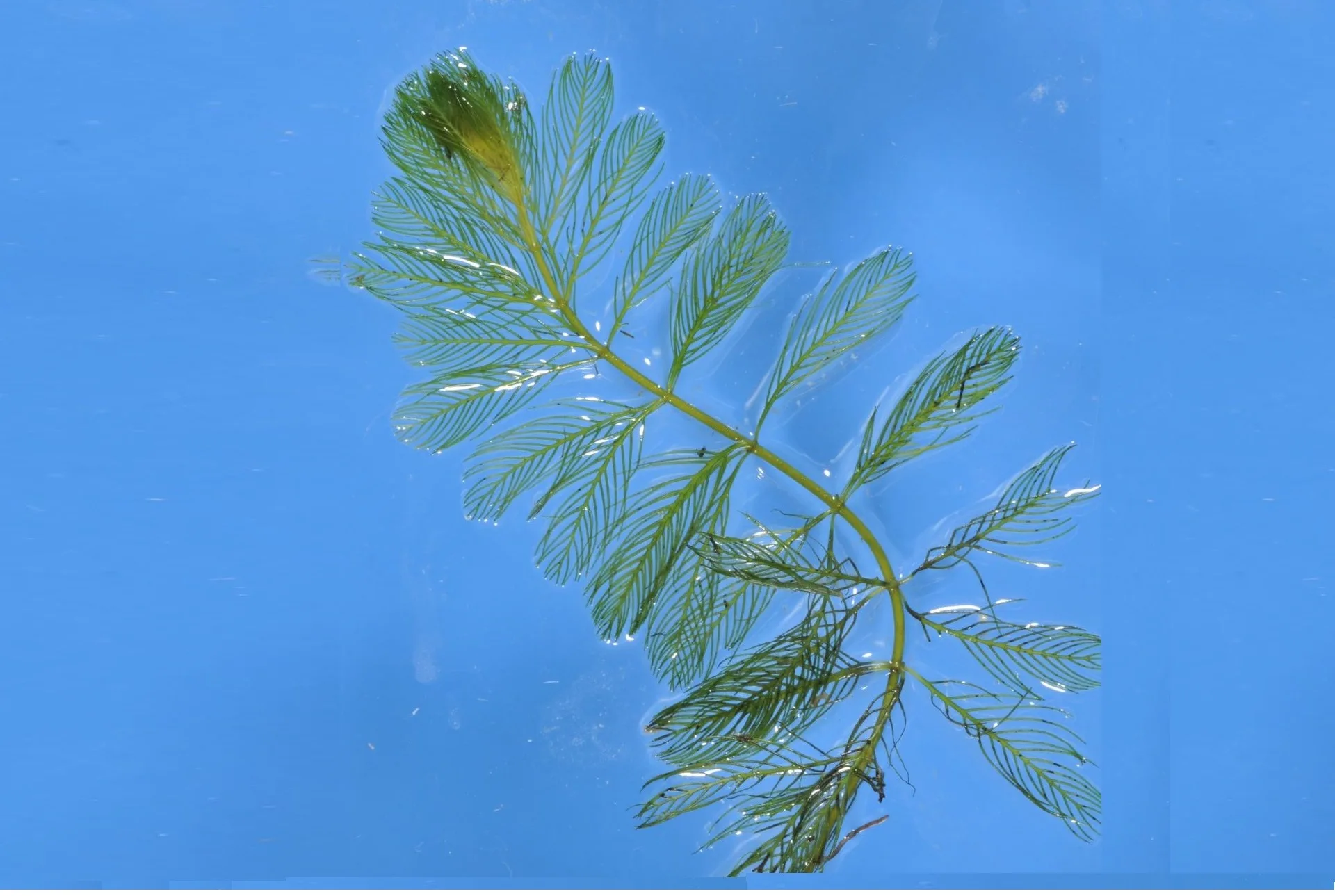
Eurasian Watermilfoil is the plant we are targeting with this effort. Deceptively delicate and fragile in appearance, the Eurasian watermilfoil forms thick mats in shallow areas of a lake, quickly growing and spreading to block sunlight, killing off native aquatic plants that fish and other underwater species rely on for food and shelter. In North America, the plant threatens the diversity and abundance of native plants as well as the ecological balance of lakes and ponds, which in turn adversely affects recreational opportunities. If left unchecked, invasive watermilfoil will spread through a lake, or even to other lakes by transmission.

The eradication efforts will take a couple of years but we are working to eradicate it. The treatment can only happen when the plant is exposed to the air, meaning the water is drawn down enough from irrigation activities and before the water comes back up to store for the winter. This brief window is now. Weather conditions play a major factor in treatment of the infestation.
Thank you for your cooperation. This has been a major coordination activity to make this project occur.
Please contact Katie Finely-Squeque at katie.squeque@cskt.org or 406-552-2781 for additional information.
Source: CSKT NRD