They say that “a Fed Deer is a Dead Deer.” Backyard feeding makes wildlife less fearful of humans. Pets and toxic landscaping plants and chemicals become available to wild critters. Crossing roads to get to the yards makes critter strikes more likely.
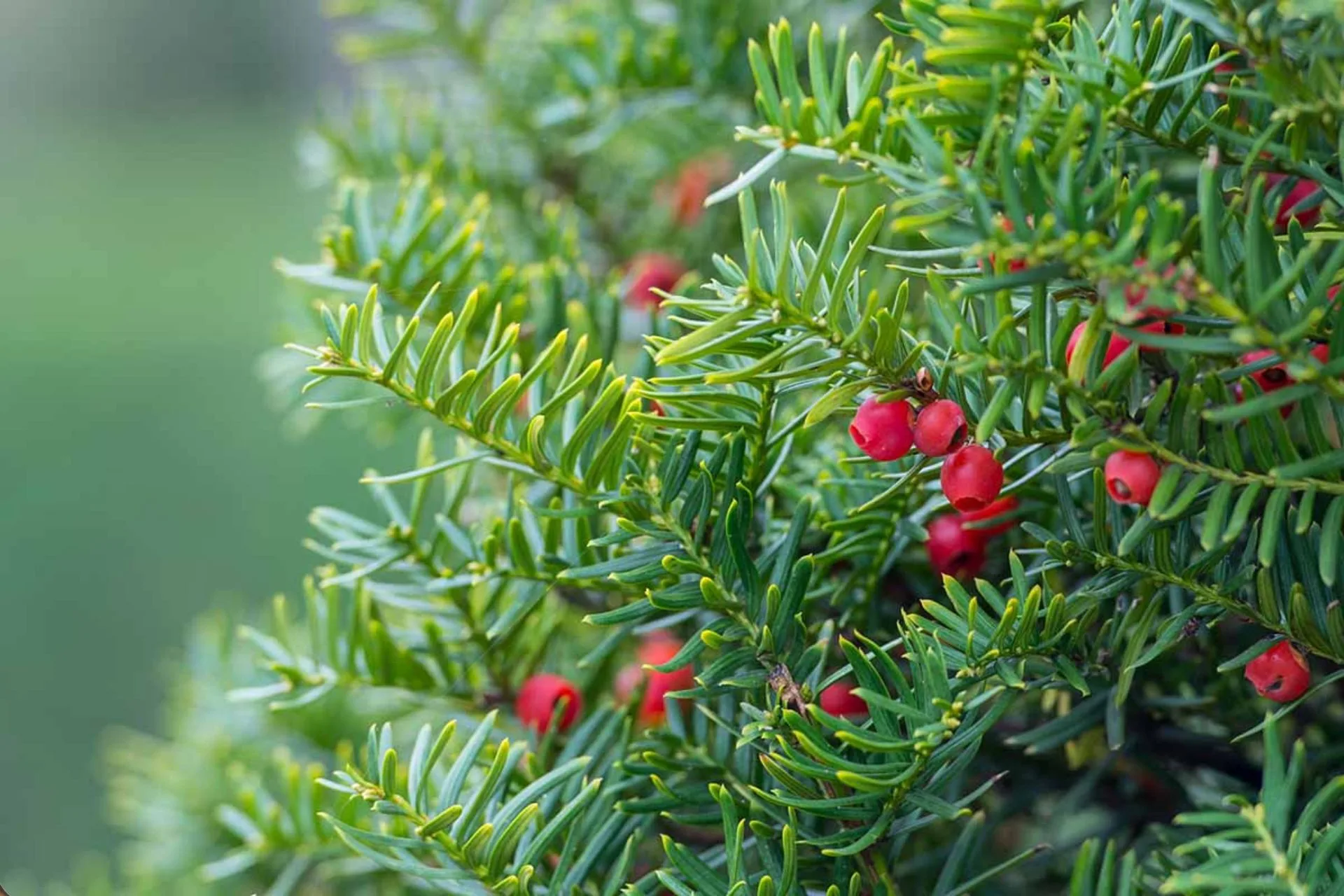
Recently, several elk near Dillon, died thanks to a landscaping toxic plant. A nonnative Japanese Yew was found in the bellies of several dead elk calves. Young critters do not get lessons on what they can and cannot eat.

Montana winters are tough. Most natural and native food sources are dormant or buried under the snow. This is why hunting season harvests surplus game animals before winter comes. Reducing the population means less competition for the limited food resources.
When Winter gets tough, hungry wild critters migrate closer to potential food sources. In Helena deer herds become residents of the community and begin feasting on landscaping resources. Not all these plants are healthy.

Many plants are not wild, but the wild critters have no clue. Eating poisonous plants can cause death, illness, injury, when eaten, inhaled, or absorbed. There are no wildlife poisoning hospitals where these sick critters can go for help. If they weaken and become unable to survive, they will die.
Many backyard wildlife feeders serve up shelled corn and seeds that serve no nutritional needs. It is not uncommon to find deer that have starved to death with a full belly of undigested corn.
Our vegetable gardens contain many toxic plants that can be deadly to wildlife.
Nightshades include potatoes, tomatoes, eggplants, and peppers. All of these are bad news for wild critters. Daffodils, lilies of the Valley and other flowers along with yews and hemlocks can devastate wildlife.
Some plants that are toxic to humans are a tasty treat for deer. Poison Ivy is eaten by deer but causes a rash for humans.
Do your homework before planting trees, shrubs, and flowers that may cause harm to wildlife. Different regions have different harmful menus.
Nature knows best!
Montana Grant