HELENA – At least five elk calves were killed in mid-January in the Florence area of the Bitterroot Valley due to ingestion of toxic ornamental plants. The calves were found by homeowners in the area between Jan. 15 and 23. Necropsies conducted on two of the calves revealed high quantities of toxic Japanese yew (Taxus cuspidata) in their stomachs, and an examination of properties in the area revealed several of the plants that had been browsed. The homeowner voluntarily removed the plants.
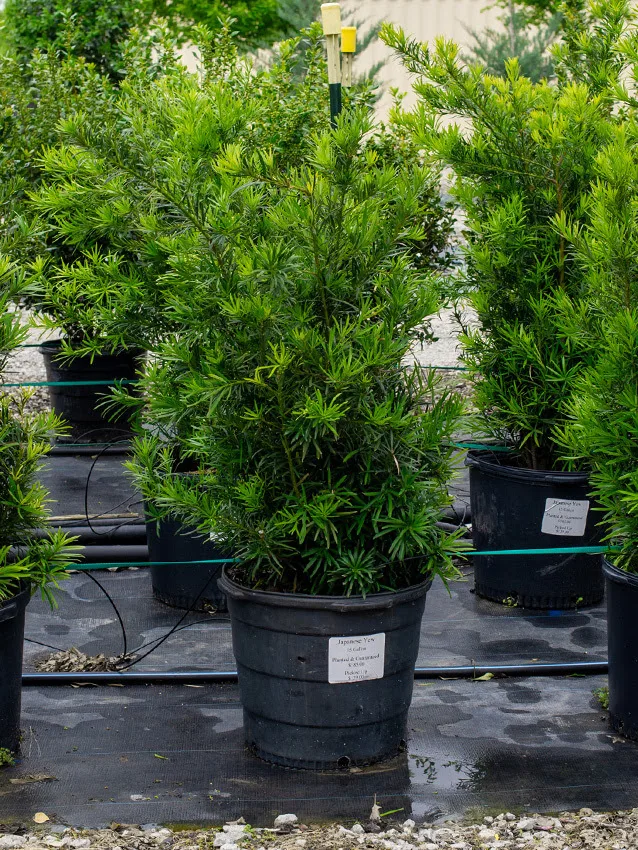
Japanese yew, an evergreen, tree-like shrub native to East Asia, is a popular landscaping plant, commonly planted around homes and walkways. The plant becomes especially dangerous to wildlife in the winter, when heavy snows can force ungulates closer to homes in search of food.

“Because it’s not native to the area, animals aren’t familiar enough with the plant to know or teach their young that it’s toxic,” said area biologist Rebecca Mowry. “Even a small amount can kill them, and yearlings are especially susceptible.”
According to FWP Wildlife Veterinarian Jennifer, an amount that weighs less that 1 percent of an elk’s body weight is enough to cause death.
“The elk we necropsied here at the wildlife health lab had a large amount of yew – leaves, stems and seeds – in it’s rumen,” Ramsey said. “Yew toxicity often causes sudden death, commonly within two to four hours after ingestion.”
Japanese yew has been implicated in several high-profile ungulate die-offs in the Rocky Mountains, including after a heavy snow event in 2016-2017 in Idaho that resulted in the deaths of 23 elk and 50 pronghorn. Japanese yew is also suspected to have killed several yearling elk that same year between Hamilton and Darby, and again east of Hamilton after the heavy snowfall of February 2019. Two moose died in Idaho in 2022 and 2023 after ingesting the plant. White-tailed deer appear to be unaffected, though mule deer are susceptible. Humans, pets and domestic livestock can also be poisoned by ingesting the plant.
Japanese yew has flat, green leaves that are darker on the top than on the bottom, with 1- to 1.25-inch needles spiraling around the stem. Female plants produce bright red berries in late summer/early fall, while male plants produce flowers that may resemble tiny Brussels sprouts. All parts of the plant are toxic.
FWP recommends that homeowners who live in areas where wild ungulates move through –including much of the Bitterroot Valley – check their yards for the plant and remove it if possible. The plant and its trimmings should be disposed of in a landfill or somewhere where animals don’t have access to them.