Outbreak causes bighorn sheep die-offs, but the extent is unknown at this time
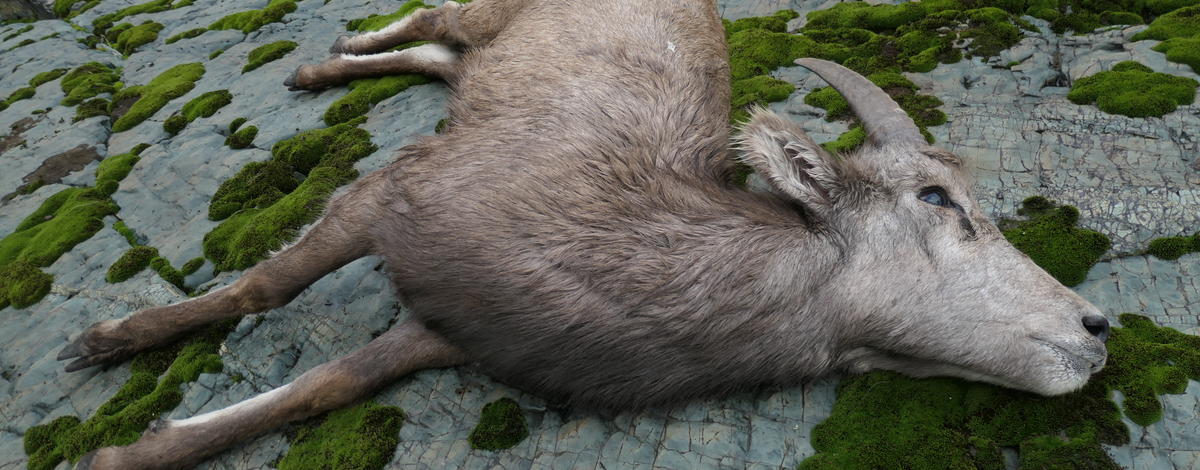
A pneumonia outbreak was detected in bighorn sheep in northern Hells Canyon in mid-December and is ongoing. Potentially affected bighorn sheep populations are located along the Snake River and tributaries. The Idaho Department of Fish and Game, Washington Department of Fish and Wildlife, and Oregon Department of Fish and Wildlife are working together to monitor and address this situation. All agencies ask people to contact a local state fish and wildlife agency to report any dead or sick bighorn sheep.

The bacterium responsible for the pneumonia outbreak is Mycoplasma ovipneumoniae, commonly referred to as “Movi.” Exposure of bighorn sheep populations to Movi is usually followed by a die-off. The severity of these die-offs can vary, with population declines ranging from 5 – 100 percent. On average, about 50 percent of the population survives the initial die-off. More information is being gathered to understand the severity of the die-off.
This is one of several pneumonia outbreaks in bighorn sheep that have occurred over the past century in the Hells Canyon area.
“Unfortunately, there is no way to treat animals to slow the spread of disease or reduce deaths,” said Frances Cassirer, Senior Wildlife Research Biologist for Idaho Department of Fish and Game. “Our best option is to let the disease run its course over the next several months and then reassess the situation. At that point our objectives are to restore the health of those populations that are affected and prevent further spread among the interconnected populations throughout Hells Canyon and the surrounding area.”
The Idaho, Oregon, and Washington Wild Sheep Foundation Chapters, and the National Wild Sheep Foundation are providing support for the states’ efforts. The states and the Wild Sheep Foundation, along with other participants of the Hells Canyon Bighorn Sheep Initiative that include the U.S. Forest Service, Bureau of Land Management, the Nez Perce Tribe, and Confederated Tribes of the Umatilla Reservation will continue to work together moving forward.