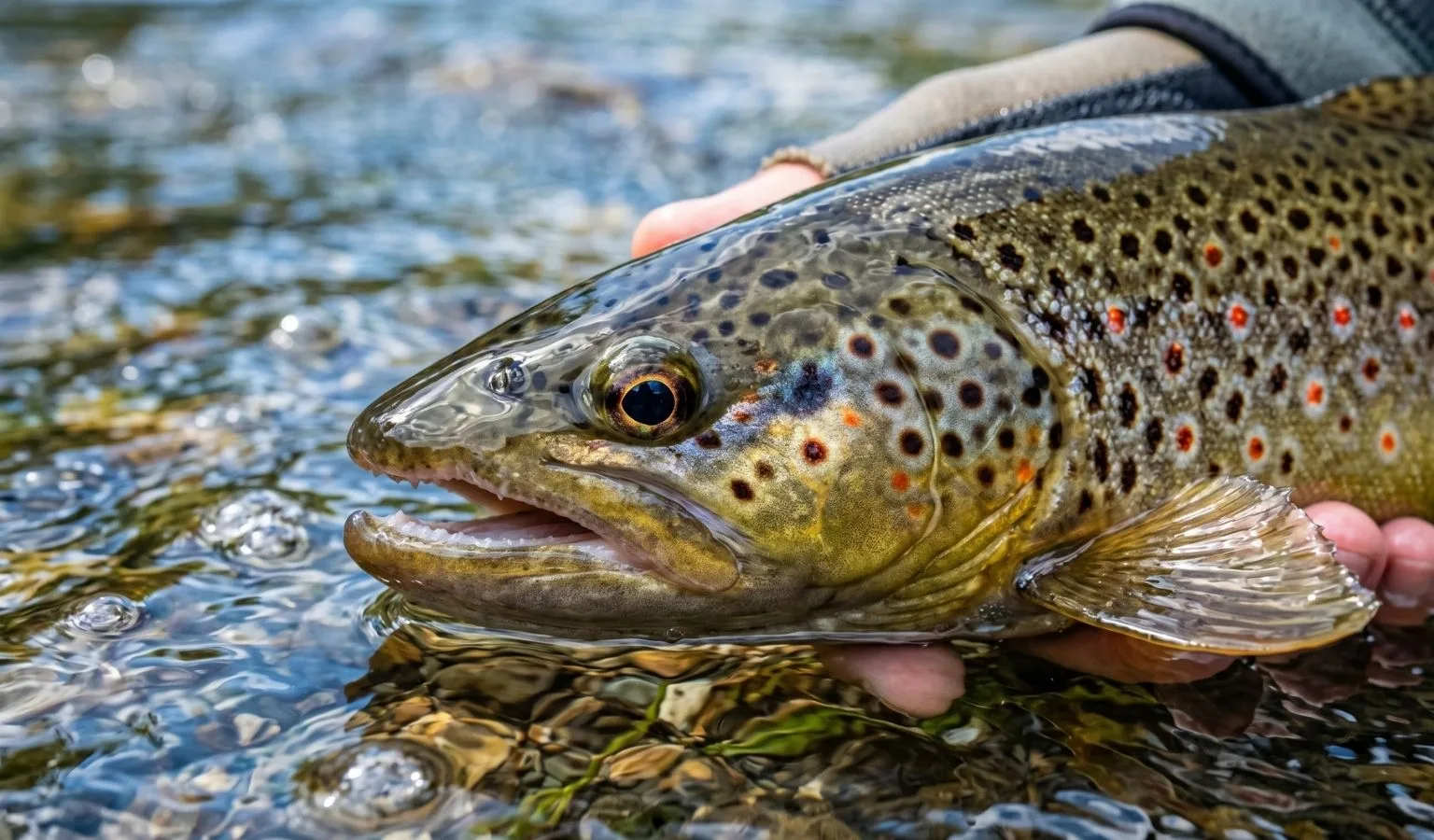
In honor of those who have caught and are still catching Chinook at Fort Peck, we have some facts on these pretty amazing fish for you. If you are considering getting after Chinook salmon and are looking for some facts about the fish, or if you just want to see if you already knew these facts, take a look.
- Chinook salmon are anadromous—they hatch in freshwater streams and rivers then migrate out to the saltwater environment of the ocean to feed and grow.
- Chinook salmon are the largest of the Pacific salmon, hence the name “king salmon.”
- They can grow as long as 4.9 feet and up to 129 pounds, but typical length and weight of mature fish are about 3 feet and 30 pounds.
- All Chinook salmon die after spawning.
- Young Chinook salmon feed on terrestrial and aquatic insects, amphipods, and other crustaceans.
- Older Chinook primarily feed on other fish.
- Spawning adult males can be distinguished by their hooked upper jaw.
- Chinook salmon also have a black pigment along the gum line, thus the nickname “blackmouth” or “blackjaw”.
- When they’re in the ocean, Chinook salmon are blue-green on the back and top of the head with silvery sides and white bellies.
- In fresh water, when they are about to spawn, Chinook change to olive brown, red, or purplish. This color change is particularly evident in males.