Be careful what you eat! Freshwater Fish have become a new high-risk food for human consumption. Liver damage, high cholesterol, cancer, and reduced immunity are common health concerns due to exposure.
A recent study determined that wild fish contain high levels of Forever Chemicals called PFAS. There are thousands of these chemicals leaching into our water systems. Even if you don’t eat fish, you can be impacted. These chemicals are labeled as the greatest chemical threat in the 21st Century.

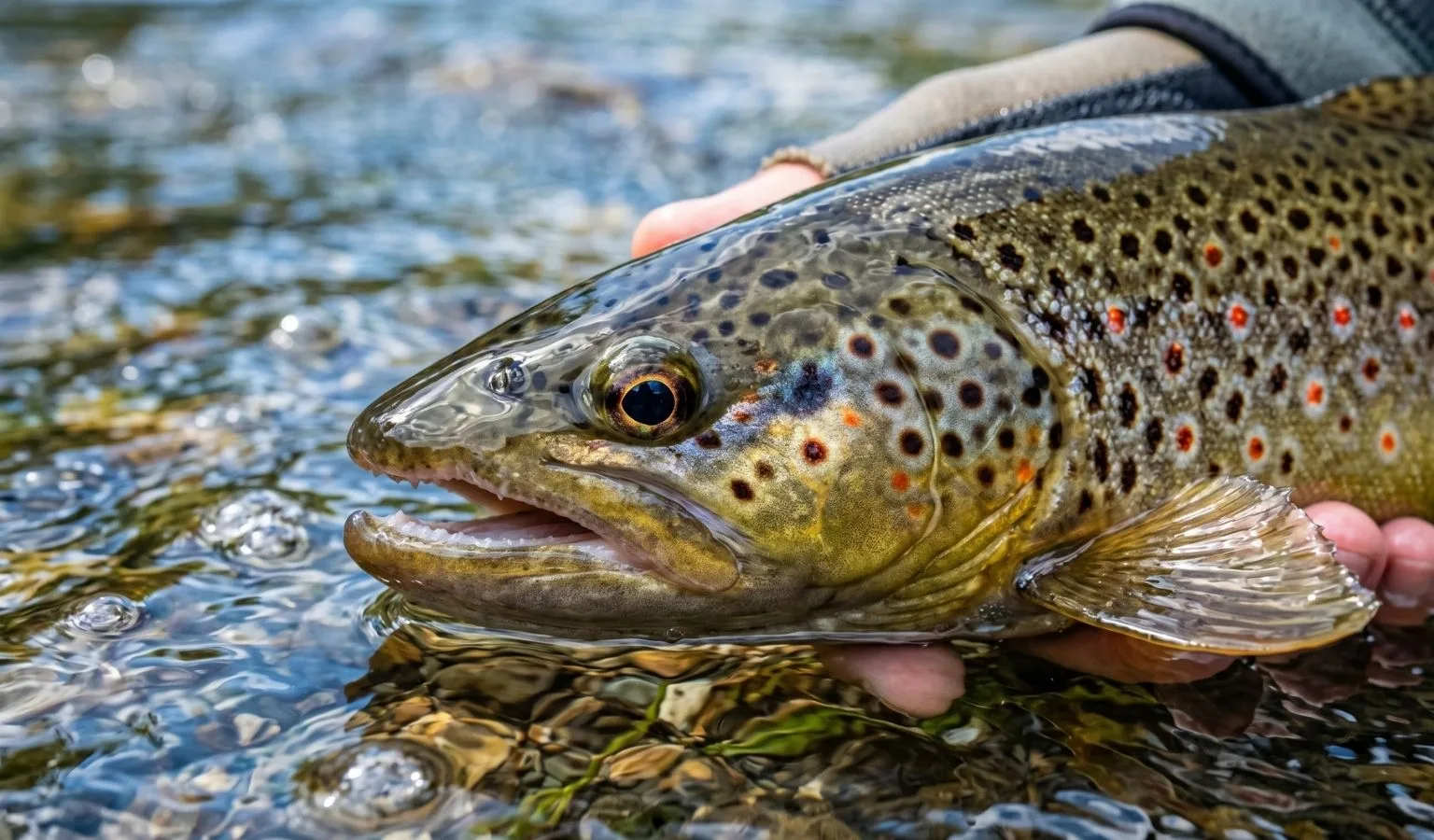
The study said that just one fish contains enough PFAS to harm humans. The worst chemical, known as PFOS, is common in wild fish. Commercially caught fish did not show overly high rates of contamination. Stocked fish are also better to eat since they are new to the environment. It takes several months for a stocked fish to begin absorbing toxic chemicals. Fresh water Wild fish are 278 times higher in PFOS than hatchery fish.
Eating 1 fish= PFOS/month. This was measured at 48 parts per trillion. The level considered safe is .02 parts per trillion. We need to examine the Science.
Some questions to consider are;
How old were the fish tested?
What part of the fish was tested?
What species of fish were tested?
Why are commercially caught “Wild” fish not as contaminated?
Where were the tests taken?
Are we also getting impacted by the packaging, fry pans, and clothing?
Forever chemicals were developed in the early 1940’s to resist water and heat. They are commonly used in making nonstick fry pans, textiles, fire suppression foams and deicers, and food packaging. Sadly, these pollutants are in our ecosystem along with others.
The better news is that when fish are properly cleaned and rinsed, most of the chemicals and toxins are removed. This means that areas around the bases of fins, rib cages, belly meat , and skin are removed. It is in these areas where toxins are stored in the fat of the fish. Rinsing the filets completely also removes unwanted chemicals. Cooking the fish removes many other harmful bacteria or issues.
No water on Earth is excluded. Ice on the poles, mountain tops, and anywhere may be contaminated. Awareness and choices are important.
Montana Grant